
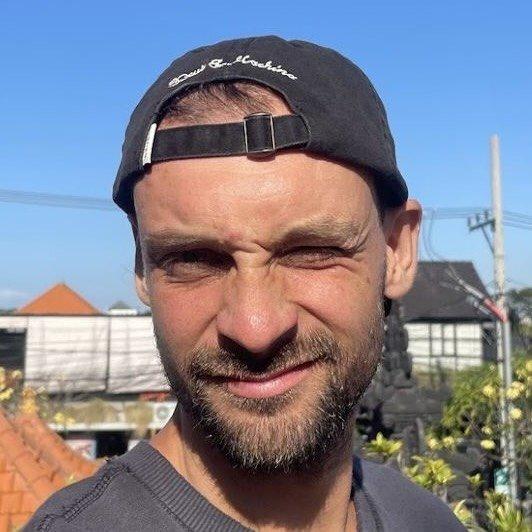
Uploading a real model's photo into an AI fashion tool is the single fastest way to get on-brand imagery, and it is also the single fastest way to land in a licensing dispute if you skip the paperwork. Here is the workflow that does both jobs — clean production output, and a defensible rights position behind it.
Step 1: confirm the rights before the upload
Three categories of model imagery, three rights pictures.
- Model you hired with a release: the release should explicitly cover AI modification and downstream commercial use. Older boilerplate releases predate the AI era; add an addendum.
- Stock photo from a paid library: read the license. Many stock libraries forbid AI-modification of identifiable people. Skip stock for this purpose.
- Public figure or random Instagram find: do not upload. The legal exposure is real and AI tools do not shield you.
Step 2: prep the model photo
A clean source image gives the best output. Front-facing or three-quarter pose, full or three-quarter body, neutral background or simple environment, even lighting, no obstructions across the body. Resolution above 1024 px on the long edge. JPEG or PNG, under the platform's 50 MB upload limit.
Avoid: heavy filters, busy patterns on the existing clothing (these can leak through), faces partially obscured by hands or sunglasses, backlit silhouettes.
Step 3: pick the template
For a custom model in a catalog or PDP context: upload to White Studio as a model reference. The template will use your upload as the identity anchor and run the pure-white pipeline on the output.
For a try-on workflow where the model already has a styled environment: use Virtual try-on. The original environment from the upload is preserved; only the garment is changed.
Step 4: keep the rights paperwork trail
Production discipline that pays off if anything is ever questioned: store the model release alongside the source image in a folder named with the model's name and the shoot date. Every AI-derived image should be traceable to its source upload and to the release that authorised it.
Apiway does not sell or relicense your uploaded model imagery to anyone else. Your uploads are private to your workspace and used only to generate the outputs you request. (More: we never train on your uploaded photos.)
Step 5: when to prefer a creator photo set instead
For most brands, the rights and operations overhead of running their own custom-uploaded models is heavier than the value delivered. The creator marketplace already handles the rights conversation: the creator has consented to commercial AI-modification of their photo set as a condition of marketplace listing, and the per-generation credit flows straight to them.
Use a custom upload when you have a specific person you want front-and-centre on the brand — founder portraits, long-running brand ambassadors, an in-house team member — and use the marketplace for everything else.
Real cost and time per generation
Custom-upload-based generation costs a handful of credits per shot, the same as preset-model generation. One credit equals one US cent. Time-per-shot once the upload is uploaded: under a minute.
Run a single test before scaling
Pick one model photo, confirm the release covers AI use, and run one test generation against a real garment. The free tier is enough for a first test. Compare against a creator-marketplace alternative to decide which approach earns the catalog work.